Blockchain

Rebuilding Trust: How Blockchain is Making Charity Fundraising Transparent

The Problem with Traditional Charitable Giving Charities play a vital role in addressing global issues, from disaster relief to education. Yet, donor skepticism has grown due to opaque fund allocation, administrative overheads, and fraud. People want to help—but only if they know their money is making an actual difference. This is where blockchain offers a […]

Rebuilding Trust: How Blockchain is Making Charity Fundraising Transparent Read More »

Revolutionizing Stock Trading FT. Blockchain

Global stock markets operate with incredible volume, complexity, and time sensitivity. While trading platforms have grown faster over the years, actual settlement of trades often takes up to two days (T+2) due to reconciliation, verification, and clearing requirements. These lags expose traders and institutions to counterparty risk, fraud, and liquidity inefficiencies. Blockchain technology is being

Revolutionizing Stock Trading FT. Blockchain Read More »

Reimagining Humanitarian Aid Delivery with Blockchain Technology

Challenges in Traditional Aid Systems Humanitarian aid has long been marred by logistical inefficiencies, bureaucratic delays, and corruption. Whether it’s delivering food to famine-stricken regions or disbursing cash to displaced populations, aid organizations often struggle with fund misallocation, lack of accountability, and fragmented data systems. The absence of real-time tracking and centralized oversight limits the

Reimagining Humanitarian Aid Delivery with Blockchain Technology Read More »

Reinventing Supply Chain Finance with Blockchain Transparency

The Fragmented Nature of Traditional Supply Chain Finance Supply chain finance (SCF) exists to optimize working capital by bridging the gap between suppliers delivering goods and buyers making payments. Despite its potential, traditional SCF systems are plagued by manual processes, data silos, and trust issues. Invoices may take weeks to validate, credit risk assessments are

Reinventing Supply Chain Finance with Blockchain Transparency Read More »

Blockchain for Intellectual Property Protection: Securing Innovation and Creativity

Intellectual property (IP) rights play a crucial role in protecting innovations, creative works, and proprietary technologies. However, traditional IP protection systems face challenges such as copyright infringement, lengthy patent processes, counterfeiting, and legal disputes. Blockchain technology offers a decentralized, transparent, and immutable ledger that can revolutionize intellectual property protection by ensuring proof of ownership, preventing

Blockchain for Intellectual Property Protection: Securing Innovation and Creativity Read More »

Blockchain-Powered Voting Systems: Enhancing Security and Transparency in Elections

Introduction to Blockchain in Voting Traditional voting systems often face challenges such as fraud, lack of transparency, and logistical inefficiencies. Blockchain technology offers a decentralized, tamper-resistant, and verifiable method to conduct elections, ensuring security, transparency, and voter trust. By leveraging cryptographic techniques, blockchain can transform the voting process into a more reliable and accessible system.

Blockchain-Powered Voting Systems: Enhancing Security and Transparency in Elections Read More »

Revolutionizing Real Estate Transactions with Blockchain Technology

The traditional real estate market is plagued by inefficiencies, including lengthy transaction times, high costs, fraud risks, and lack of transparency. Blockchain technology is emerging as a game-changer, offering secure, transparent, and efficient property transactions. By leveraging smart contracts, decentralized ledgers, and tokenization, blockchain has the potential to streamline real estate deals, reducing fraud and

Revolutionizing Real Estate Transactions with Blockchain Technology Read More »

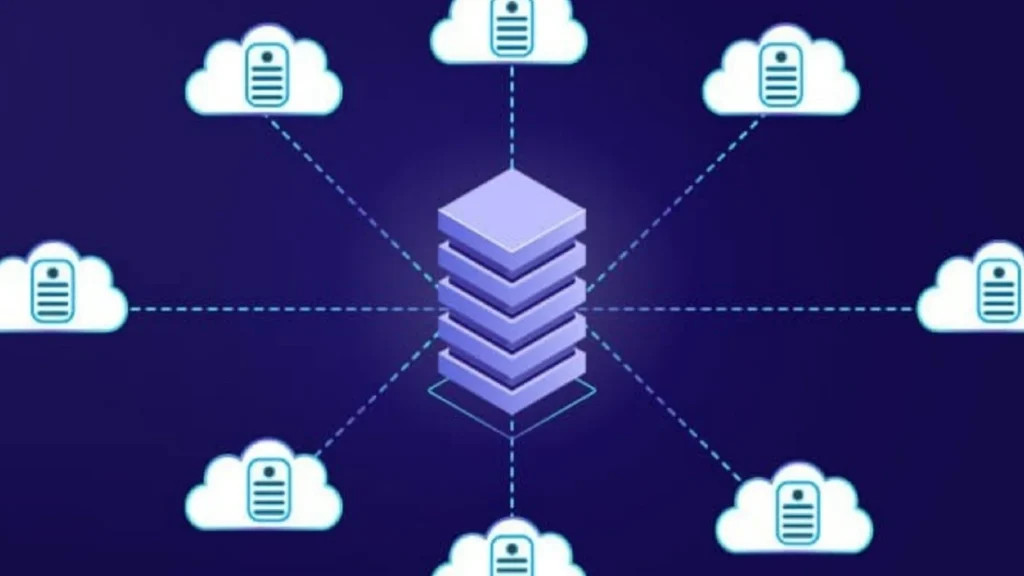
Blockchain-Based Decentralized Cloud Storage

Blockchain technology is transforming cloud storage by enabling decentralized solutions that offer enhanced security, privacy, and efficiency. Unlike traditional cloud services, which rely on centralized servers managed by a single provider, blockchain-based systems distribute data across a network of nodes, ensuring greater resilience and transparency. Decentralized cloud storage eliminates the vulnerabilities associated with centralization, such

Blockchain-Based Decentralized Cloud Storage Read More »

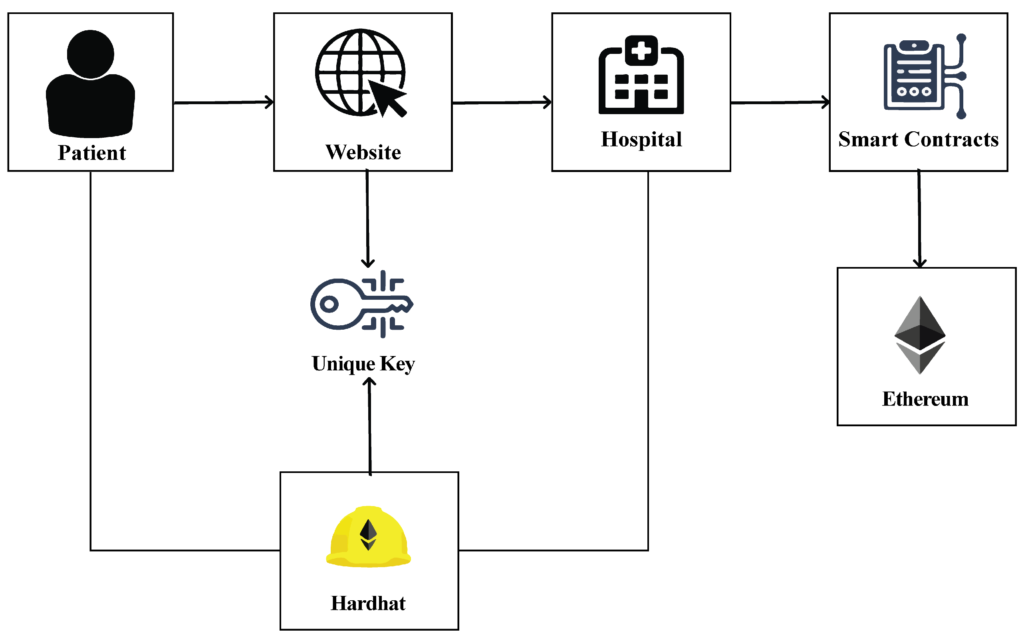
Digital Healthcare Records: Enhancing Interoperability with Blockchain

In the digital age, healthcare systems are increasingly shifting from paper-based records to electronic health records (EHRs), which promise to improve patient care, streamline workflows, and facilitate better communication between healthcare providers. However, one of the major challenges that persists in modern healthcare is the lack of interoperability between disparate EHR systems, which can lead

Digital Healthcare Records: Enhancing Interoperability with Blockchain Read More »